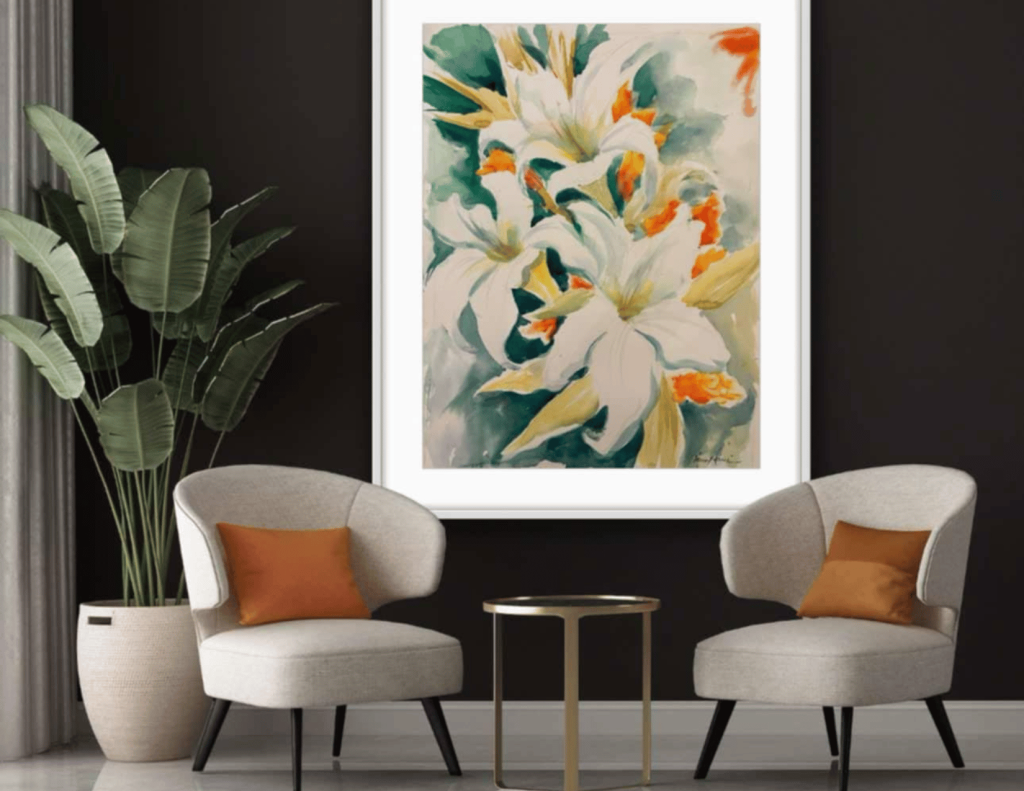
Fine Artist | Watercolor & Plein Air Painter | Art Educator
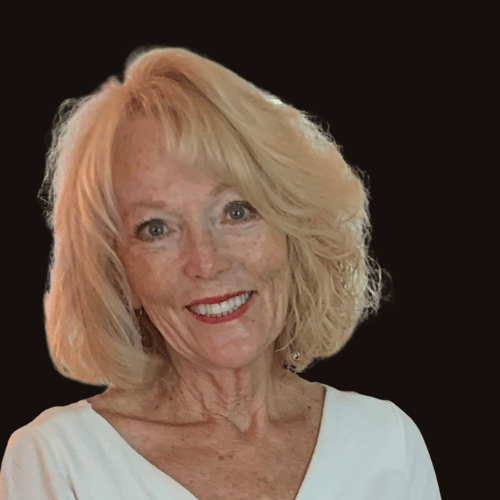
“You’ll never know something better than you do once you draw it.”
— Karin Felker Harris
Recognized for a lifetime of creating, teaching, and encouraging others to slow down and discover the extraordinary beauty found in the world around them.
A Lifetime Shaped by Art and Nature
For artist Karin Felker Harris, painting is about more than creating a beautiful image.
It is about learning to see.
To notice the way sunlight moves across a landscape.
The unexpected color hidden within a shadow.
The changing relationship between light, color, shape, and atmosphere.
And perhaps most importantly, to slow down long enough to actually experience what is in front of us.
That philosophy has developed through more than 45 years as a studio and plein air painter, creating art, teaching students, traveling, and observing the natural world.
For Harris, art and nature have never been separate pursuits.
They are part of the same conversation.
An Artist From the Beginning
Harris’s connection with art and nature began in her youth and eventually led her to earn a Bachelor of Fine Arts from Southern Oregon State University.
From there, art became far more than an area of study.
It became a life’s work.
Over the decades, Harris has worked as both a studio artist and a plein air painter throughout the Pacific Northwest and beyond.
Painting en plein air—working directly from the landscape outdoors—requires an artist to pay attention to a world that refuses to remain still.
Light changes.
Shadows move.
Colors shift.
Weather changes the atmosphere.
The artist has to observe, respond, and make decisions in the moment.
For Harris, that process has helped shape not only how she paints, but how she experiences the world.
The Dance of Light, Color and Shadow
Harris describes her artistic story as:
“Loving and painting the illumination of color and dance of light & shadow in nature.”
It is an idea visible throughout her work.
Rather than simply documenting what is in front of her, Harris pays attention to how light transforms a scene and how color can communicate the feeling of a particular place and moment.
Nature becomes both subject and teacher.
A landscape changes depending upon the hour.
A familiar scene becomes unfamiliar when the light shifts.
A shadow that initially appears gray may reveal blues, purples, greens, or reflected colors when we stop long enough to really examine it.
That act of observation lies at the heart of Harris’s approach.
You’ll Never Know Something Better Than Once You Draw It
One of Harris’s most compelling observations about art is also one of the simplest:
“You’ll never know something better than you do once you draw it.”
Drawing and painting require a different kind of attention.
Instead of glancing at something and assuming we understand it, the creative process asks us to study its shape, proportion, color, texture, light, shadow, and relationship to everything around it.
We begin noticing details we might otherwise have walked past.
For Harris, that process isn’t limited to accomplished artists.
It is something she encourages in her students as well.
Art becomes a way of practicing awareness.
And sometimes learning to draw or paint the world around us teaches us something even more fundamental:
how to truly see it.
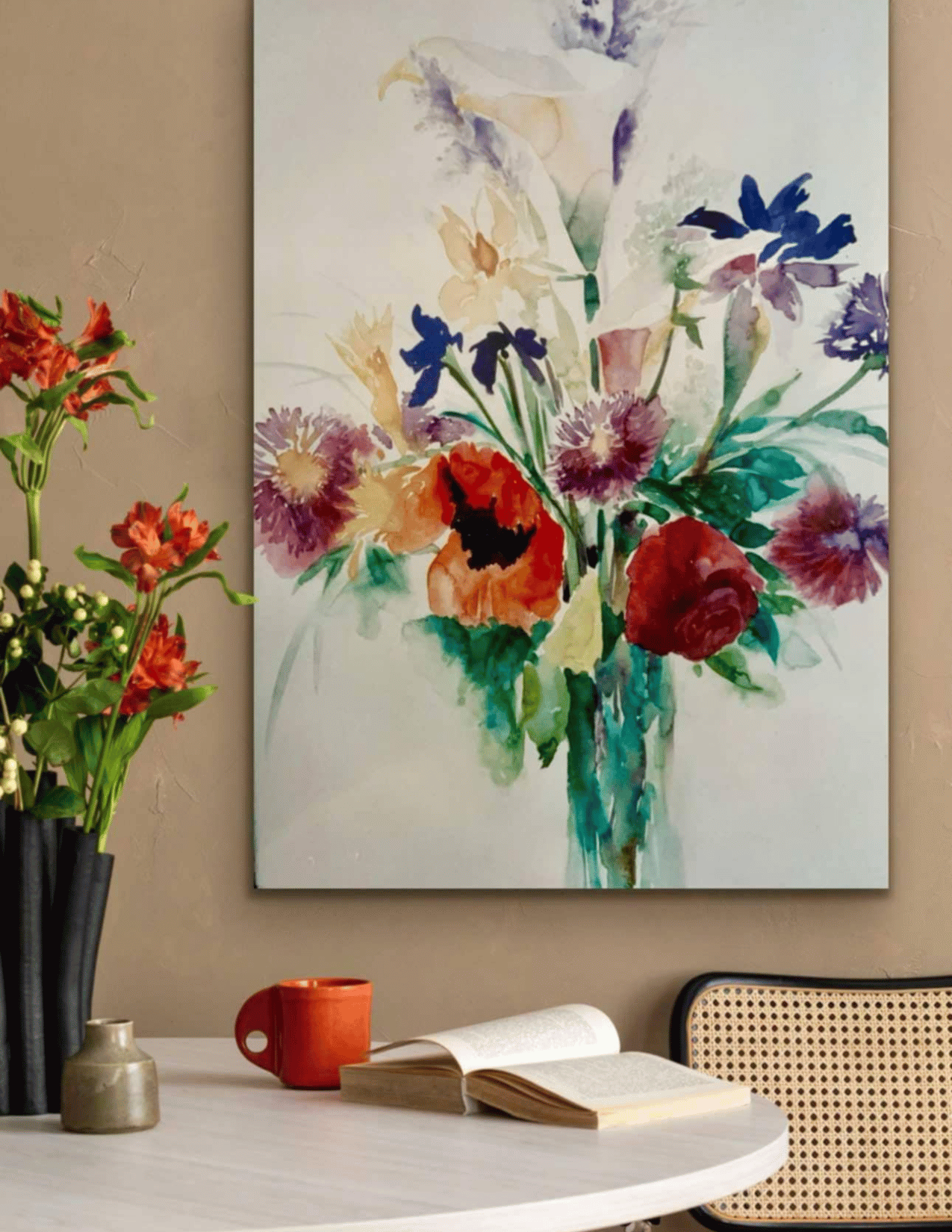
Art Without Borders
Harris’s artistic journey has taken her well beyond the Pacific Northwest.
She has painted outdoors in Europe, Santa Fe, and Mexico, immersing herself in culturally and visually rich environments that offered new landscapes, architecture, colors, and light to explore.
Each location presents an artist with a different visual language.
The colors of the Southwest are different from those of the Pacific Northwest.
European architecture creates different relationships between light and shadow.
Mexico brings its own palette, culture, textures, and atmosphere.
For a painter devoted to observation, travel becomes another form of education.
The world becomes the classroom.
From Gallery Owner to Art Educator
Harris’s career has also included both the business and educational sides of the art world.
She owned a gallery in Portland, Oregon, giving her experience not only as a working artist but also within the gallery environment.
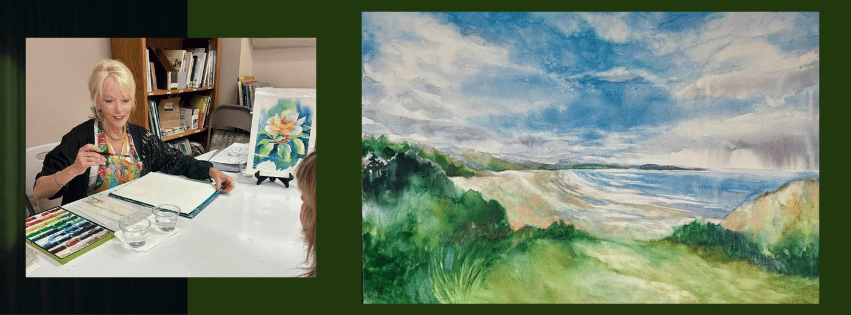
She later shared her knowledge through teaching at Marylhurst College and various art centers.
Teaching became another way of extending her artistic philosophy.
Rather than simply showing students how to reproduce an image, Harris encourages them to slow down, observe, and develop their own relationship with what they see.
Her goal is not merely to teach someone how to use watercolor or put paint on a surface.
It is to help people discover what happens when technique and observation begin working together.
Continuing to Create and Teach
More recently, Harris has continued her artistic work in Southern California, participating in juried exhibitions, teaching, and exhibiting through local galleries.
After more than four decades, she continues to create.
She continues to teach.
And she continues to look.
That longevity says something important about the life of an artist.
Creativity doesn’t have to belong to one season of life.
It can evolve with us.
The subject matter may change. Techniques can develop. Our surroundings shift. New students arrive. New landscapes invite our attention.
But curiosity remains.
The Art of Slowing Down
Perhaps the most powerful lesson within Harris’s story has very little to do with becoming a professional artist.
It is about attention.
Modern life constantly encourages us to move faster.
Art asks us to do something different.
Stop.
Look.
Notice.
What color is actually there?
Where is the light coming from?
How does that shadow change the form?
What have we walked past a hundred times without ever really seeing?
Harris encourages her students, fellow artists, and herself to appreciate what she calls the beautiful dance of light and color in nature and all around us.
Painting gives her a reason to stop long enough to witness that dance.
And through her work, she invites others to do the same.
Sharing the Conversation on Tuesday Talks
Karin Felker Harris has joined Tuesday Talks: Unlocking Freedom in Nature and Art more than once, sharing her experiences as an artist and educator and exploring the relationship between creativity, observation, nature, and personal expression.
Her story is especially at home within the conversations surrounding Unlocking Freedom in Nature and Art because her life’s work demonstrates how naturally the two can intersect.
Nature gives us something to observe.
Art gives us a reason to look more closely.
And when we slow down enough to do both, we may discover something we had been too busy to notice.
About Karin Felker Harris
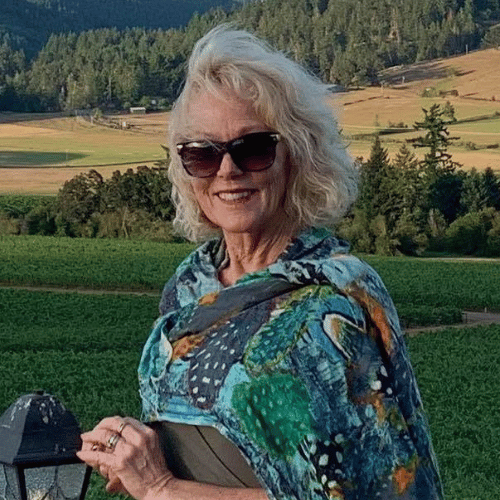
Karin Felker Harris is a fine artist, watercolor and plein air painter, and art educator with more than 45 years of experience as a working artist.
She earned her BFA from Southern Oregon State University and has painted extensively throughout the Pacific Northwest as well as in Europe, Santa Fe, Mexico, and Southern California.
Her career has included owning a gallery in Portland, Oregon; teaching at Marylhurst College and art centers; participating in juried exhibitions; exhibiting in galleries; and helping students develop their own artistic abilities.
Through her painting and teaching, Harris encourages others to slow down, observe more deeply, and discover the remarkable interplay of light, color, and shadow found throughout the world around us.
Connect With Karin
Fine Art | Watercolor | Plein Air Painting | Art Education
Inhale Positivity… Exhale Possibilities.
— Tammy Mitzka-Crawford / Unlocking Freedom in Nature and Art
Every story shared has the power to unlock something in someone else.