Every sculpture, every design decision, every color choice begins with intention.
This space is where I share the philosophy behind the work — how atmosphere is shaped, how story becomes sculpture, how scale anchors a room, and how color sets the emotional tone of a space.
Because art is not decoration.
It is experience.

🎨 Color Sets the Mood
Color is the quiet architect of atmosphere.
Color is often the first decision I consider — because it influences everything that follows.
Before flooring is selected.
Before cabinetry is finalized.
Before lighting temperature is chosen.
Color sets direction.
Many homes begin with white walls for simplicity. Clean. Safe. Neutral.
But warmth, depth, and coherence often come from nuance — from the subtle shift between white and cream, from layered earth tones, from colors that reflect the environment outside your windows.
In forested landscapes, stone tones, muted greens, warm taupes, and softened neutrals create harmony between interior and exterior.
In coastal environments, the palette often shifts — sea glass greens, softened teals, weathered wood tones, mineral blues — colors that reflect the rhythm and light of the ocean itself.
Color has its place everywhere — but it must be intentional.
When color is chosen thoughtfully at the beginning of the design process, it informs:
• materials
• textures
• finishes
• lighting
• and the artwork itself
A coherent home doesn’t happen by accident.
It happens when atmosphere, architecture, and art speak the same language.
My role is to guide that conversation — to explore options, refine tones in person, and ensure what feels simple also feels warm and aligned.
Because design is not about trends.
It is about creating spaces that feel coherent, grounded, and aligned with the people who live inside them.
Designing for Atmosphere
Design begins long before art is installed.
Atmosphere is not created by one element.
It is built through color, light, material, texture, and scale — working together in harmony.
When I enter a space, I’m observing everything:
• wall tones
• natural light
• cabinet finishes
• flooring materials
• metal accents
• furniture scale
• architectural lines
• textures and layers
Because environment affects emotion.
If tones are too stark or lighting too cool, a room can feel sterile — even when the materials are beautiful. If scale is mismatched or textures compete, the space feels unsettled.
Warmth and welcome are intentional decisions.
They begin with color.
Color guides material choices.
It influences lighting.
It determines mood.
It shapes how a space feels before anyone speaks.
Once the atmosphere is established — once the environment feels coherent — that is when art enters.
Not to “match” the room.
But to belong in it.
Art does not tie cabinetry to flooring.
It tells the story that lives inside the atmosphere.
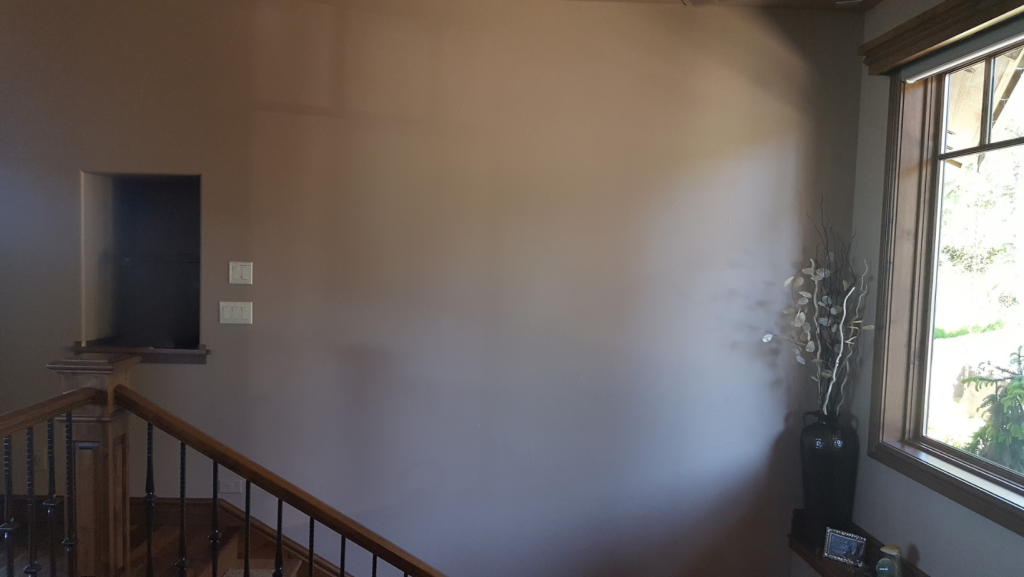
In many homes I work with, the design is already beautiful. The palette is thoughtful. The architecture is strong. The lighting is refined.
And there is one wall waiting.
Waiting for meaning.
When the art is created from the client’s own story — a memory, a place, a moment that shaped them — the piece does more than decorate.
It completes the room.
It becomes the emotional focal point.
In professional spaces, this creates welcome.
In homes, it creates belonging.
Design builds atmosphere.
Story gives it soul.
Not just something beautiful on the wall —
But something personal.
And when both are aligned, the room doesn’t just look finished.
It feels warm, intentional, and lived in.
“When art is commissioned from a client’s own story, it becomes legacy — not décor.”
Where Art Anchors the Space & Holds the Story
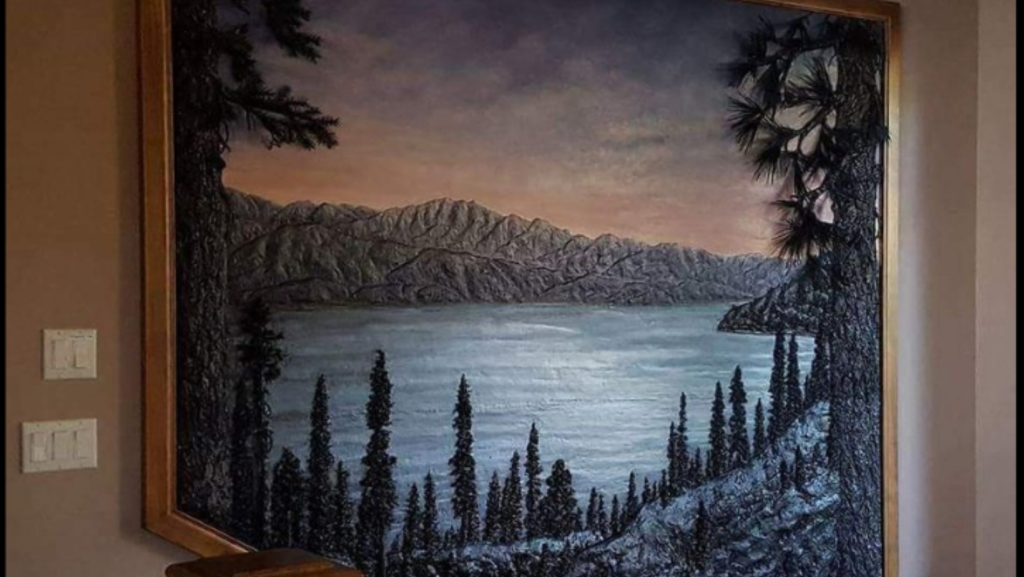
Art that shapes how a space feels.
Most people think art is the finishing touch.
It isn’t.
Art sets the emotional temperature of a space.
Before color palettes are chosen.
Before furnishings are finalized.
Before lighting is adjusted.
There is atmosphere.
When I design a commissioned piece, I’m not asking, “What will look good here?”
I’m asking, “How should this space feel?”
Warm and welcoming.
Grounded and calm.
Bold and confident.
Quiet and reflective.
In a private residence, atmosphere shapes how a family lives inside the space.
In a commercial setting — like a dental office, wellness studio, or executive space — atmosphere determines whether clients feel at ease, inspired, or uncertain.
Color, scale, movement, and texture all work together to create emotional response.
Art is not decoration.
It is environmental energy.
When atmosphere is designed intentionally, people don’t just see the difference — they feel it.
Where Story Becomes Sculpture
Every custom piece begins long before I sketch a line.
It begins with a conversation.
When I step into a client’s home or business, I don’t just look at the walls.
I observe the light. The textures. The colors already living in the space.
I ask questions. I listen carefully.
And then I ask for the story.
A memory from hiking in the mountains.
A lake at sunrise.
A cruise at sunset.
A childhood garden.
A moment that still feels alive when they speak about it.
Because the art must belong to them — not just to the room.
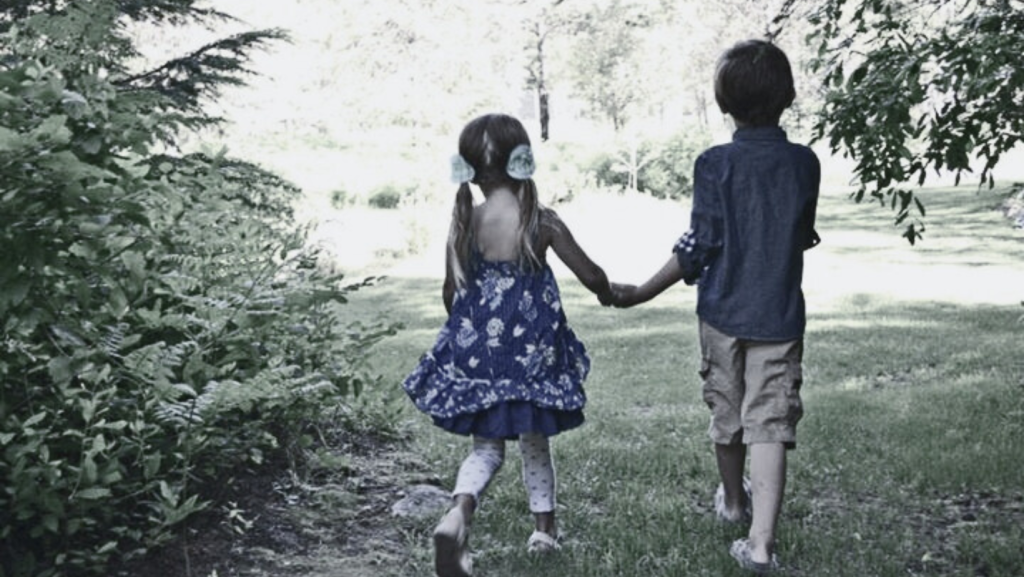
Sometimes clients resonate with a past piece I’ve created. That gives us direction.
Sometimes we combine multiple memories into one cohesive vision.
Sometimes it’s a single image that carries deep meaning.
As they speak, I visualize it.
I see the scale.
I see how it will sit on the wall.
I see how the panels will layer.
I see how light will move across the surface.
My job is to translate memory into form.
The sculpture must fit the space.
It must reflect their atmosphere.
It must feel as though it has always belonged there.
And when art is commissioned from a client’s own story, it becomes legacy — not just décor.
It becomes something their children recognize.
Something guests ask about.
Something that holds emotion long after trends fade.
This is not about filling a blank wall.
It’s about creating something that feels rooted — personal — and enduring.
That is where story becomes sculpture.